
The Building Safety Regulator’s recent warning to main contractors over subcontractor quality has put another spotlight on competence across the construction supply chain.
For specialist contractors, the message is clear: it is no longer enough to say that you can do the job. You need to be able to show how your people, systems and processes support safe and compliant delivery.
That is something Acorn Aluminium has been working on for some time. The company has been reviewing how information moves through the business, from design and procurement through to fabrication, quality control and installation.
Paul Stevens, Managing Director at Acorn Aluminium, says the change is being driven by what clients now expect from their supply chains.
“Main contractors need to know that the companies they are working with have the right skills and experience, but they also need to see the evidence behind that,” he says. “It is about being able to show who is doing the work, how it has been checked and how the information is controlled throughout the project.”
Acorn has recruited additional staff into its design team to support increasingly detailed tender and Gateway 2 submissions. It has also introduced a training matrix to record CPDs, qualifications and practical experience across the business, helping the company identify any gaps and plan further development.
“We are not pretending the work is finished,” Paul says. “Competence is something that has to keep developing. We are looking at the skills, knowledge, experience and behaviours within the business and making sure we can evidence them properly.”
The same approach has been applied to Acorn’s internal processes. Once a design has been approved by the client team, it goes through a further internal review to check that it matches what was sold, what has been specified and what is required on the project. Purchase requests are also checked against the approved design before anything is ordered.
Craig Key, Operations Director at Acorn Aluminium, says these extra stages are intended to remove uncertainty before products reach manufacture or site.
“It is very easy for a drawing to be interpreted in more than one way if the handover is not clear,” he says. “We have put more checkpoints in place, so the design intent is carried through properly into processing, manufacture and installation.”
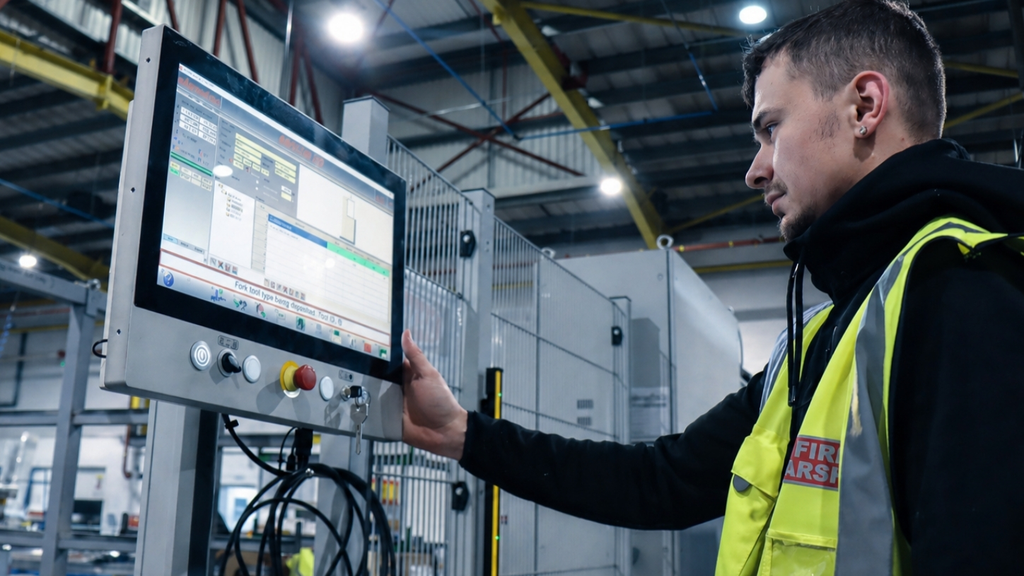
Fabrication lists are then turned into controlled pick lists, so components are selected for the correct project and installation phase. Acorn also uses a digital end-of-line quality control system to check products before dispatch and is working towards bringing more quality checks into the manufacturing process itself.
“The earlier you identify an issue, the easier it is to put right,” Craig says. “That reduces rework and helps prevent avoidable problems once the product is on site.”
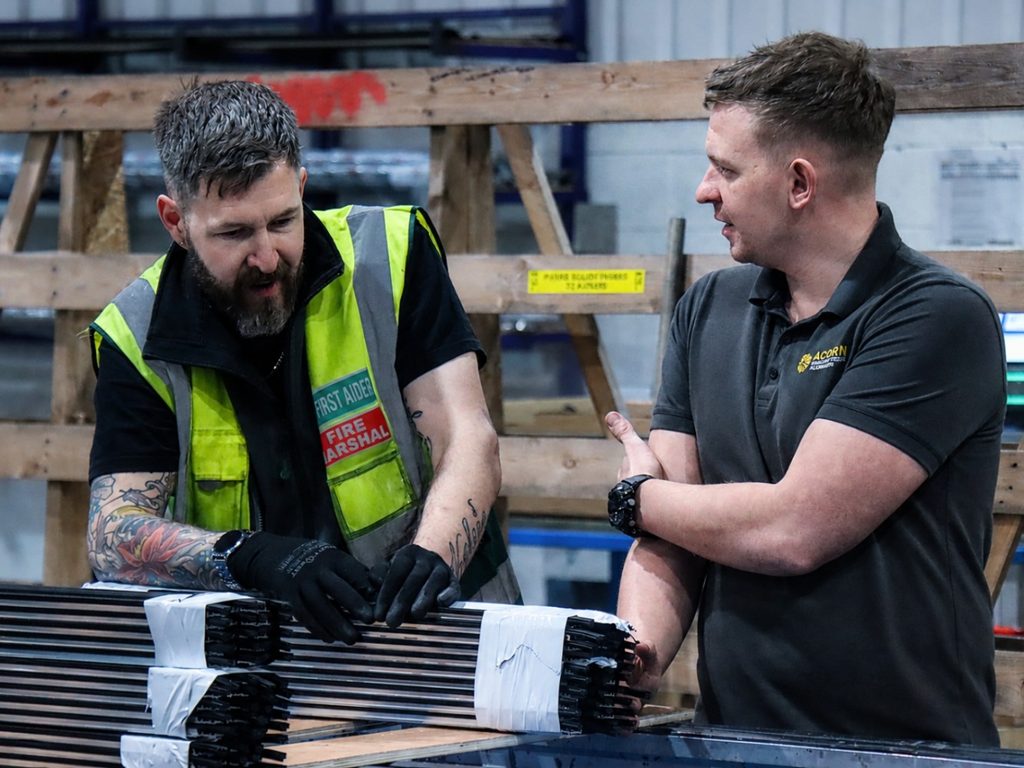
Document control is another important part of the process. Project drawings and technical information are uploaded to the main contractor’s chosen document portal, while Acorn maintains its own drawing registers to record revisions and changes. This helps ensure that the client, architect, contractor and wider project team are working from the latest approved information.
For Acorn, these measures are not about creating more paperwork for the sake of it. They are about making responsibilities clearer, reducing risk and giving main contractors better visibility of how work is being delivered.
Paul adds: “There is much more scrutiny across the industry now, and rightly so. Main contractors need subcontractors that can provide the information, evidence and quality controls required on complex projects.
“Our responsibility is to make sure we can demonstrate that clearly, from the first tender submission through to manufacture and installation.”
For more about Acorn Aluminium, please call 0115 928 2166, email [email protected], or visit www.acornaluminium.com.